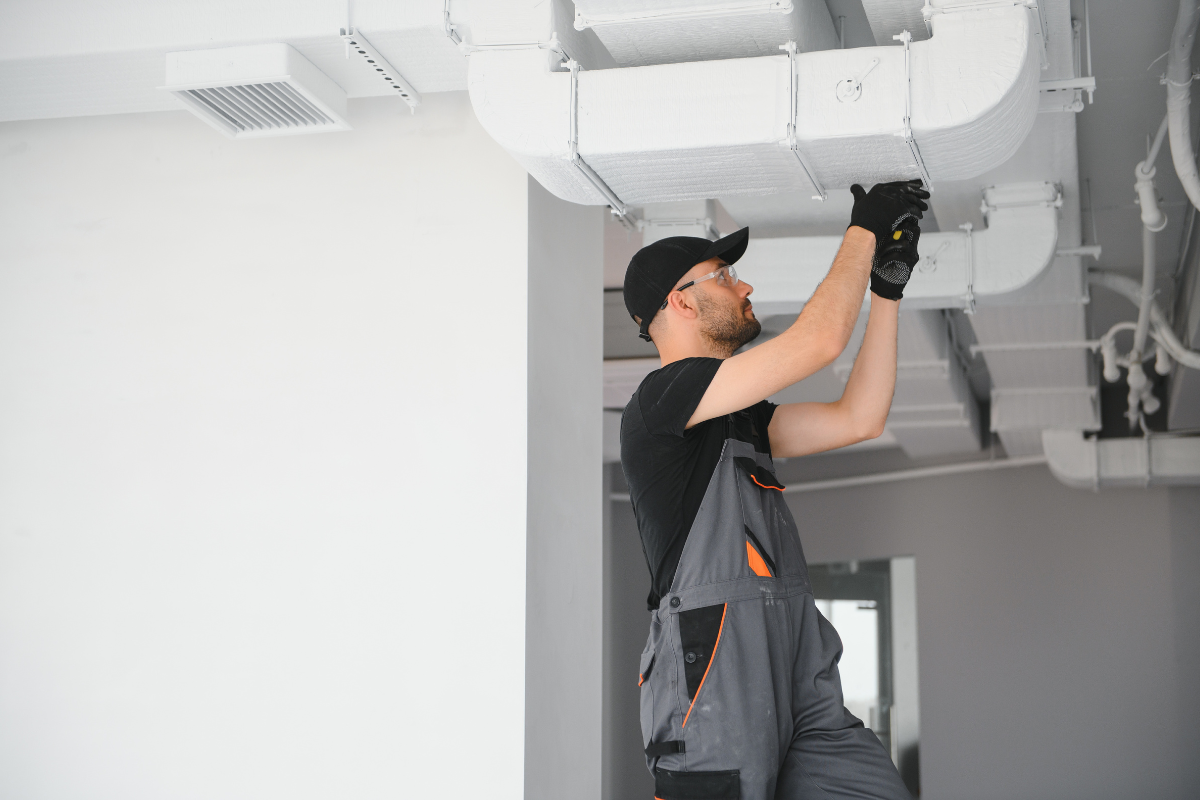
Replacing a heating system is one of those projects where small decisions ripple for years. The equipment you choose, the sizing and ductwork, even where the outdoor unit sits, all shape how the house feels on a sleety February night and what you pay each month. I have sat at kitchen tables with homeowners who regretted rushing into a heating replacement without asking harder questions, and with others who made a few smart choices and got fifteen quiet, efficient winters out of their investment. The difference is rarely luck. It is preparation.
What follows are the ten questions I encourage clients to ask, along with the context a good contractor should be comfortable discussing. If you hear vague answers or lots of “don’t worry about it,” press for specifics. Heating system installation done right is a careful pairing of math and field craft, and you deserve to see both.
1) What size system does my home actually need?
“Bigger is better” is how you end up with a system that short cycles, struggles to dehumidify in shoulder seasons, and burns through parts. Proper sizing starts with a load calculation. In North America, the Manual J method is the standard. It factors in square footage, insulation levels, window type, infiltration, and your climate zone. I have run load calculations that landed at 42,000 BTU on homes with older 80,000 BTU furnaces, and the homeowners later said the downsized units were more comfortable than anything they had before.
Ask the contractor to show you the numbers. They can use software or a spreadsheet, but they should collect real inputs, not guess by square footage. If you have plans to add insulation, replace windows, or finish a basement, fold those changes into the calculation. For heat pumps, confirm whether the calculation uses design temperature data for your area, and whether the contractor accounts for balance point and supplemental heat. A good answer will include a target BTU capacity for heating, a design temperature, and some commentary on latent versus sensible load if you are installing a dual-purpose system that also handles cooling.
Edge case to consider: open floor plans with high ceilings. These spaces often want careful duct design and sometimes need modest oversizing or multi-stage equipment to handle heat stratification without short cycling. If you hear “we’ll just bump it up a size,” ask how the ducts and controls will prevent the comfort problems oversizing can cause.
2) Should I choose a furnace, a heat pump, or a hybrid system?
The right equipment depends on climate, utility rates, and the home’s envelope. Gas furnaces remain a solid choice where natural gas is inexpensive and winters are severe. Modern condensing furnaces run at 92 to 98 percent AFUE, and with two-stage or modulating burners they can deliver even heat. Electric heat pumps, particularly cold-climate models, have matured in the last decade. I have seen variable-speed heat pumps keep homes comfortable at outdoor temperatures between 0 and 10°F, with a well-sealed envelope and the right sizing. In milder climates, a heat pump is often the most efficient option, especially when paired with a well-designed duct system.
A hybrid system, sometimes called dual fuel, pairs a heat pump with a gas furnace. The heat pump carries the load in moderate weather, then the furnace takes over below a chosen switchover temperature. This approach can give you the best of both worlds when electricity is cheap in shoulder seasons but gas is cheaper during deep cold.
Ask your contractor to run operating cost comparisons for each path, using your utility rates and a realistic range of seasonal performance factors. Look at total energy use, not just nameplate efficiency. If your house has solar, the math shifts further toward a heat pump, provided the heat loss calculation supports it. If you are thinking about radiant heating or high-velocity systems, the design conversation changes again, and you should make sure the contractor has experience with those specific systems.
3) What is the total installed cost and the five-year cost of ownership?
Sticker price is only part of the story. When I present options, I separate equipment, materials, labor, permits, and any needed electrical work, then I layer in maintenance, likely repair costs, and energy use. A two-stage condensing furnace might cost, say, 20 to 35 percent more than a single-stage mid-efficiency model. Over five years, lower fuel consumption and fewer temperature swings can offset that difference. The calculation is even more consequential with heat pumps, where higher SEER2 and HSPF ratings often come with variable-speed compressors, better comfort, and lower energy use per degree-day.
Ask for a line-item proposal. Include duct modifications, a new thermostat, condensate management, and code-required upgrades like a dedicated electrical circuit or a combustion air intake. If the quote has allowances, clarify what happens if real-world conditions exceed them. Another figure to request is the net price after incentives. Federal and state rebates for heat pumps and high-efficiency furnaces change, and utility programs can be generous, especially for electrification. A contractor who installs these systems regularly will know which rebates apply and how to capture them. Aim to compare three options on a five-year horizon using your actual utility rates and an estimate of hours of use based on climate data.
4) What are the ductwork and airflow implications?
Great equipment on bad ducts is a race car on a gravel road. If your current system is noisy, if some rooms never quite warm up, or if you see flex duct crushed under storage boxes, invest time here. A Manual D duct design, or at least a careful static pressure and airflow measurement, should be part of your heating replacement. I carry a manometer and flow hood on every heating unit installation because assumptions get expensive.
Here is what to ask. Will the existing return and supply trunks handle the new system’s airflow requirements? Many variable-speed air handlers want higher airflow at full capacity, and a high MERV filter adds resistance. Will the contractor measure external static pressure before and after the install and adjust blower speeds accordingly? If certain rooms lag, ask about adding returns, balancing dampers, or upsizing short runs. Duct sealing is low-hanging fruit. Mastic on seams and proper tape, not cloth duct tape, can cut leakage dramatically, which directly improves delivered BTUs.
When switching from a furnace to a heat pump, pay attention to defrost cycles and register placement. Cold air complaints often trace back to registers aimed at seating areas without enough mixing, or to the absence of a high-quality thermostat that can control staged heat and fan profiles. In older homes with limited duct space, small capacity multi-split heat pumps can serve tricky rooms without major construction.
5) How will installation details affect reliability and comfort?
Two homes can have the same model number in the basement and wildly different outcomes because of the way the system was installed. On furnaces, venting and condensate management deserve respect. I have replaced more than one corroded secondary heat exchanger after years of acidic condensate draining across the wrong material. Ask what materials will be used for intake and exhaust, how the slope of the venting will be handled, and where the condensate will drain. If a condensate pump is necessary, ask about an overflow safety switch.
On heat pumps, outdoor unit placement matters. Keep it off the ground, above typical snow levels, with at least a foot, preferably more, of clearance at the back and sides. Avoid downspout discharge above the unit, or it will ice up. Ask if the contractor plans a stand with vibration isolation pads, and whether they will use a snow hood in heavy snow regions. For line sets, inquire about line length limits, elevation changes, and the plan for tight bends and flare connections. A nitrogen purge during brazing, pulling a deep vacuum to 500 microns or better with a micron gauge, and pressure testing with nitrogen are all basic, but not all crews do them. You are not being picky to ask.
For both system types, ask about commissioning. Will the tech measure temperature rise on a furnace and adjust gas pressure and blower speeds to meet the manufacturer’s spec? Will they measure superheat and subcooling on a heat pump, verify charge, and program thermostat profiles? These steps set the baseline for efficiency and help catch early issues.
6) What efficiency ratings matter for my situation?
Efficiency labels can blur into alphabet soup. For furnaces, AFUE is straightforward, and with a condensing furnace the range is usually 92 to 98 percent. The gain from 95 to 97 percent is real but often small in absolute dollars unless you log heavy hours of use. The bigger comfort difference tends to come from staging and modulation. A modulating furnace adjusts output across a wide range and runs gently for longer periods, which keeps rooms more consistent and avoids the hot-cold swing.
For heat pumps, HSPF or HSPF2 reflects heating efficiency, while SEER or SEER2 covers cooling. If heating is your priority, look closely at low-ambient capacity and the COP at temperatures you actually experience. Manufacturers publish capacity tables. In a city with winter design temps near 15°F, I like to see a unit that holds a strong percentage of its nominal capacity at 17°F and still performs reasonably at 5°F. A high SEER2 number is nice for summer, but don’t trade away cold-weather capacity if you rely on the unit for heating. If you run a hybrid system, a smart switchover strategy that considers real-time utility prices can optimize cost.
Ask for the model-specific performance tables, not just a brochure. A savvy contractor can highlight the line where outdoor temperature crosses your heat loss, then explain whether supplemental heat strips or a furnace will carry the remainder.
7) What maintenance will keep the system healthy, and what will it cost?
A heating system is a machine, and it will treat you as well as you treat it. Filters matter. High MERV filters can protect your coil and keep indoor air cleaner, but they need the right cabinet and enough surface area so they do not choke airflow. I often install a 4-inch media filter cabinet and size the filter to keep pressure drop manageable. Ask what filter type the system needs, how often to change it, and how to check for pressure drop if you want to be thorough.
Annual service is not a luxury. On furnaces, a technician should inspect the heat exchanger, test safeties, verify combustion, and clean the condensate trap and drain. On heat pumps, they should wash the outdoor coil, inspect the indoor coil, check electrical connections, test defrost operation, and verify refrigerant performance with temperature and pressure readings. Expect an annual visit to cost somewhere in the low hundreds, depending on region and scope. Some installers offer maintenance plans that include priority service and discounts on parts. Ask about typical lifespan for the models you are considering. With good maintenance and a clean install, furnaces often run 15 to 20 years, and many modern heat pumps do fine for 12 to 18 years. Harsh climates, salt air, and neglected coils shorten that curve.
8) How will the new system interact with my existing controls and home?
Thermostats are not all equal. Modulating and communicating systems often need a matching thermostat to access full functionality. If you prefer a third-party smart thermostat, confirm compatibility. I have seen beautiful variable-speed equipment reduced to single-stage behavior by an incompatible thermostat. Ask how setback strategies should change with your new system. Heat pumps do better with small setpoints and steady operation. Deep setbacks can trigger electric resistance heat and erase efficiency gains. Furnaces can handle bigger setbacks but may trade off comfort as heat-up times lengthen in very cold weather.
If you have a zoned duct system, verify that dampers, zone boards, and bypass strategies match the new equipment. Modulating systems pair well with zone control when designed thoughtfully. On the ventilation side, if you have an HRV or ERV, ask how it will integrate and whether the installer will balance it after the heating system installation. For indoor air quality add-ons like UV lamps or electronic air cleaners, make sure the contractor explains benefits and maintenance clearly. Not every gadget is worth the complexity.
Finally, if you are planning other improvements such as air sealing or insulation upgrades, coordinate those with the heating replacement. Tightening the envelope first can reduce the required capacity and may let you choose a smaller, less expensive system that runs in its sweet spot.
9) What are the warranty terms, and who stands behind the labor?
Most major brands offer a base parts warranty of 5 years, extendable to 10 with product registration. Heat exchangers on furnaces sometimes carry longer warranties. Compressors on heat pumps often have 10-year coverage. These sound generous until you face a labor bill that is not covered. Ask about labor warranty length. One year is common, two is better, and some contractors offer longer coverage on systems they install, especially if you keep a maintenance plan.
Clarity matters. If a board fails 18 months in, who pays for diagnosis and replacement? If you move, is the warranty transferable? If yes, does it require paperwork? Get all model and serial numbers, and keep electronic copies of registration confirmations. Choose a contractor with a stable presence in your area. A warranty is only as good as the company that answers the phone when something goes sideways during a cold snap. If the installer uses subcontractors, ask who will handle service calls. I favor firms that self-perform service because they own the outcome.
10) What is the installation timeline, and how will the crew protect my home?
A clean, well-sequenced heating unit installation takes planning. For a like-for-like furnace swap with modest duct adjustments, one full day often suffices, sometimes two if venting or electrical needs attention. For a full heat pump with new line sets and outdoor unit https://stephenvgsb190.theglensecret.com/quiet-comfort-reducing-noise-with-modern-heating-system-installation pad, plan on two days, possibly three if the install includes duct remediation, thermostat wiring upgrades, or wall penetrations that need careful sealing. Complex jobs with multiple air handlers, attic work, or zoning can span a week. If asbestos tape appears on old ducts, you will need a licensed abatement company and a revised schedule.
Ask for a day-by-day plan, including contingencies. How will the crew protect floors and walls? Will they wear boot covers, use drop cloths, and leave the space broom-clean? Where will they stage materials? Noise matters if you work from home. Confirm when the system will be offline, and whether temporary heat will be provided if winter weather turns severe.
Commissioning is part of the timeline. Make sure the contractor blocks time at the end for testing, balancing, and walking you through operation. I like to hand clients a short custom guide that includes filter sizes, recommended change intervals, thermostat settings for cold snaps, and how to interpret error codes at a glance. Ask for that. It keeps you from digging through a 100-page manual at 11 p.m.
A word on brand selection and model tiers
People often start with brand loyalty, but the installer’s competence typically outweighs brand differences. Every brand has a good, better, best model ladder. The sweet spot for most homes is the middle tier. With furnaces, that is often a two-stage condensing unit with a variable-speed ECM blower. With heat pumps, it is often a variable-speed or two-stage compressor with a decent HSPF2 and strong low-temperature capacity, paired with a quiet indoor air handler. The top tier adds more modulation and sometimes advanced diagnostics. Those features can be worth it for comfort, but they bring more electronics that can be pricey to replace out of warranty.
If noise is a concern, ask for decibel ratings at a given capacity, and place the outdoor unit accordingly. For indoor sound, cabinet insulation, blower speed settings, and duct acoustics make a bigger difference than most spec sheets imply. I have quieted rooms by reducing an overly aggressive fan curve after installation, at the cost of a tiny efficiency dip, and the homeowners considered it a win.
Safety and code compliance are not optional
Combustion appliances need proper venting, clearances, and combustion air. High-efficiency furnaces use PVC venting with a slope back to the unit to carry condensate. Use the right schedule of pipe and follow manufacturer limits on length and elbows. For mid-efficiency units on chimneys, a correctly sized liner is critical to avoid condensation damage and backdrafting. Gas lines should be pressure tested after modifications, and a sediment trap installed before the appliance valve. Electrical work for heat pumps often includes a new dedicated circuit, an outdoor disconnect within sight, and correct breaker sizing to match MCA and MOCP on the nameplate. None of this is guesswork. Permits and inspections exist to catch mistakes, and a confident contractor will welcome them.
Carbon monoxide alarms on each sleeping level are cheap insurance. If you are replacing an old natural draft furnace with a sealed-combustion unit, pay attention to how existing appliances such as water heaters vent. Sometimes you need to adjust venting for the remaining appliance to maintain safe operation. I have had to upsell a water heater liner more than once because the old shared chimney no longer provided safe draft for the smaller remaining load.
How to vet the contractor
You can learn a lot in five minutes on the phone and ten minutes in person. Ask how they perform load calculations and commissioning. Ask for references from similar homes and equipment types. If you are leaning toward a heat pump, you want a company that installs many of them, not one a month. Look at how their proposals read. Are model numbers and static pressure targets listed, or just generic descriptions? When they visit, do they measure return air temperature and static pressure, or do they quote from the driveway?
A contractor who does careful heating system installation will also ask you questions. Where are the cold rooms? How do you set your thermostat at night? Do you have allergies that influence filter choice? Do you plan renovations? If the conversation never gets past tonnage and price, keep shopping.
When replacement is part of a bigger plan
Occasionally the best answer is not a straight swap. If your furnace is struggling partly because the attic leaks air like a sieve, weatherization may yield more comfort per dollar than a higher efficiency unit. I have seen clients save enough on a smaller heat pump by air sealing and insulating that the combined project cost less than a high-capacity unit on its own. If you are finishing a basement or adding an addition, the best approach might be a main system sized for the existing envelope, with a separate ducted or ductless heat pump serving the new space. That avoids overtaxing the main system and gives you zone control where you need it.
Electrical capacity is another planning item. Heat pumps and electric resistance backup draw more amps than a gas furnace. If your panel is marginal, budget for an electrical upgrade rather than fragilizing the system with undersized circuits. For homes eyeing future EV charging, a thoughtful panel upgrade now can avoid a second intervention later.
A short checklist for decision day
Use this to keep the big items front and center when comparing proposals.
- A documented load calculation with your home’s real inputs and a stated design temperature A clear scope of work covering duct changes, venting, electrical, and condensate management Model numbers with performance data relevant to your climate, plus a five-year cost of ownership Commissioning steps listed in writing, including static pressure, gas pressure, and refrigerant verification Warranty terms for parts and labor, maintenance plan details, and confirmation of permit and inspection
What a smooth install feels like
On the best projects, the crew arrives with drop cloths and a plan. The old unit comes out without a mess. Duct transitions look like they were meant to be there, not patched together with whatever was on the truck. The outdoor heat pump sits level and clear, lines are neatly routed, and the disconnect is square. The thermostat pairs and updates without drama. Before they leave, the tech shows you temperature rise within spec on a furnace or a heat pump holding target subcooling. The house warms evenly, quietly, without drafts. A week later, you receive an email with your warranty registration, commissioning data, and filter sizes.
That outcome is not an accident. It comes from asking the right questions upfront and working with a team that respects both the physics and the craft. A heating replacement is a chance to reset not just your equipment, but the comfort experience of your home. With the right preparation, that reset can feel like switching from a car that starts only after three tries on cold mornings to one that just fires up, idles smoothly, and gets you where you are going without a thought.
If you keep one principle in mind, make it this: choose the installer as carefully as you choose the equipment. Technology has made remarkable strides, especially in heat pumps, but even the best gear needs a thoughtful hand. Ask the hard questions, expect clear answers, and do not be shy about insisting on the details. The winters ahead will thank you.
Mastertech Heating & Cooling Corp
Address: 139-27 Queens Blvd, Jamaica, NY 11435
Phone: (516) 203-7489
Website: https://mastertechserviceny.com/