
Buyers rarely fall in love with a furnace, but they do notice comfort, quiet, and utility bills. Ask any seasoned listing agent what spooks buyers during a winter showing: chilly rooms, noisy blowers, and a whiff of burnt dust. A well-chosen heating system removes those doubts before they start, and in many markets it can nudge a home into a higher price band. If you are weighing heating replacement, you are balancing more than comfort. You are also shaping first impressions, inspection outcomes, and the monthly costs a buyer projects while walking your hallway.
I have helped homeowners evaluate upgrades on both sides of a sale. The pattern repeats: smart heating system installation does not just add equipment. It lowers friction. It reduces questions during inspections. It gives appraisers comps they can justify. And it creates that quiet, even warmth that sells the idea of living there. The return is not solely a line item. It is fewer concessions, quicker offers, and a stronger negotiating stance.
What resale value actually responds to
Resale value responds to a blend of financial and sensory cues. A new roof is visible. A new kitchen photographs well. A new heating unit installation lives behind grilles and grills, but buyers assess it by proxy. They look at the thermostat, ask the age of the system, and mentally add or subtract from their offer. A 20-year-old furnace often prompts a buyer to budget a replacement within one to three years. That estimate becomes a bargaining chip. Conversely, a recently installed, energy-efficient system with clean documentation can https://zanderulzy551.huicopper.com/heating-unit-installation-sizing-your-system-the-right-way shift that conversation. Not every market puts a hard dollar for dollar value on HVAC upgrades, yet most buyers are quick to reduce their max if they foresee an immediate large expense.
Energy costs matter, especially in regions with long heating seasons. If a home shows a 15 to 30 percent efficiency improvement on paper, buyers associate that with predictable, lower monthly bills. When rates rise, this carry cost narrative grows louder. Appraisers do not always give full credit for energy features, but they will note newer mechanicals and may cite comparable sales that support a modest value bump. In my experience, sellers regain between 50 and 85 percent of a midrange heating replacement cost at resale, depending on market, climate, and system choice. In cold-climate, energy-savvy neighborhoods, the perceived value can be higher than that math suggests because it shortens time on market and reduces price cutting.
Heat types, buyer expectations, and the curb appeal you cannot photograph
In a 1920s house with radiators, steam or hot-water heat can be part of the charm. In a 1990s subdivision, buyers expect a quiet forced-air furnace with decent filtration and a smart thermostat. In coastal areas with mild winters, heat pumps carry weight because they double for cooling. System type either meets or clashes with the home’s identity. I often see sellers lose value not because the system is old, but because it feels mismatched. A luxury home with a loud single-stage furnace and cold spots can undermine premium finishes. A compact townhouse saddled with a hulking, inefficient boiler from the 70s reads as deferred maintenance.
Matching buyer expectations sometimes means swapping fuel sources. Natural gas remains common, but electrification has momentum. Cold-climate heat pumps, which used to be a fringe choice, now handle winter comfortably in places like the upper Midwest and New England when properly designed. If your local grid is relatively clean or your home has solar, a high-efficiency heat pump speaks to the sustainability-minded buyer, and it cuts your home’s operating emissions. On the flip side, rural buyers with unreliable power often favor propane or oil backup. When a switch makes sense, document the reasoning and the costs you removed, such as chimney liner maintenance or oil tank liability.
The math behind efficiency and comfort, without the sales brochure gloss
Efficiency ratings are easy to list and hard to feel. Buyers will recognize AFUE for furnaces and HSPF/SEER for heat pumps. The translation matters. An 80 percent AFUE furnace turns 80 percent of its fuel into heat for the home. A 95 to 98 percent condensing furnace squeezes out the last bit by condensing flue gases. That last step is not only about utility bills. It allows plastic venting and flexible locations, sometimes opening up finished space where a metal flue once dictated the layout.
Heat pumps convert electrical energy into heat with coefficients of performance above one. A variable-speed cold-climate heat pump can pull two to three units of heat out of the air for every unit of electricity it consumes within most of its operating range. The comfort difference is subtle but real. Instead of big temperature swings and audible blasts of hot air, you get long, gentle cycles. Rooms tend to stay within a tighter band, and the system ramps rather than slams on and off. Agents notice during showings. So do people sensitive to noise.
Ventilation and humidity control piggyback on a good heating system installation. Add a media filter or an electronic air cleaner and you reduce dust films on furniture. In tightly built houses, pair your system with balanced ventilation. A stale home reads as neglected even if it is spotless. The point is not to stack gadgets, but to integrate a right-sized system with a simple, clear filtration and ventilation plan. The buyer’s inspector will recognize it and often praise the forethought in the report.
When replacement pays to do before you list
If your furnace is over 15 years old, oversized, and cycling loudly, it is already affecting the sale even if it runs. I once prepped a 2,400 square foot colonial with a 110,000 BTU single-stage furnace crammed into a closet. It heated the house, but rooms near supply trunks were hot and the bedrooms were cool. We replaced it with an 80,000 BTU two-stage unit after a load calculation showed actual demand closer to 60,000 to 70,000 BTU on a design day. The house felt calmer. The blower noise dropped. We listed at the top of the comp range and got a full-price offer in a week, no credits requested.
Another time, a craftsman bungalow had a 30-year-old oil boiler. The owner switched to a high-efficiency gas boiler with outdoor reset controls and had the old oil tank removed and documented. Inspection day went from dread to a non-event. The buyer, who had grown up with oil soot in the basement, saw fresh PVC venting and tidy copper runs, and simply moved on to ask about the backyard.
These examples sit in the middle of the market. At the high end, buyers expect zones, smart controls, and quiet. At the entry level, they want dependable and efficient. What carries across is the credibility you gain when your heating system looks intentional, recent, and sized for the space.
Sizing and ductwork: the invisible deal makers
Right sizing requires a proper load calculation, not a rule of thumb from the 1990s. A Manual J or equivalent takes your home’s insulation, windows, infiltration, and exposure into account. If an installer offers to copy the old furnace size without measuring and modeling, push back. Oversizing leads to short cycling, noise, and uneven temperatures. Undersizing leaves the far bedroom cold and the buyer unconvinced.
Ductwork is where many sales falter. Even a premium furnace cannot fix poorly designed ducts. I have seen 3-ton heat pumps paired with undersized returns that howl and starve the system. If your ducts are leaky, pinched, or poorly balanced, allocate part of the heating replacement budget to sealing, resizing key runs, and adding returns. A quick blower door test and duct leakage test before and after gives you documentation. Show that the system delivers air quietly and evenly to main living spaces and bedrooms, and you remove a common buyer objection before it surfaces.
Hydronic systems deserve similar scrutiny. Old radiators with stuck valves or buried monoflow tees can sabotage otherwise great boilers. Bleed, balance, and replace problem valves. Buyers hear a ticking radiator or banging pipes and imagine hidden costs. Small fixes prevent large doubts.
Fuel, rebates, and the total cost story buyers tell themselves
Different markets put a premium on different fuels. In cities with rising gas rates and decarbonization targets, efficient heat pumps and dual-fuel setups get attention. In places with cheap natural gas, a 96 percent AFUE furnace with a variable-speed blower hits the sweet spot. Oil is a harder sell for many buyers because of tank liabilities and odor stigma, but a clean, well-documented system in a rural area can still land well.
What you can control is the cost story. Gather a year or two of utility bills if they are reasonable and reflect recent insulation or window upgrades. Secure rebate paperwork and warranty transfers. A buyer standing in a warm living room with a folder that shows a 10-year parts warranty, a 2 to 5 year labor warranty, and a utility rebate of a few thousand dollars will often adjust their mental math upward. If you financed the system at a low interest rate, mention that the buyer won’t have to.
When a repair beats a replacement for resale
Not every sale benefits from a new system. If your furnace is 8 to 10 years old, well maintained, and running within spec, a tune-up, combustion analysis, and fresh filter may be enough. Replace a cracked heat exchanger or failing inducer motor if it buys you a clean bill of health from an inspector. On borderline systems in low-inventory markets, buyers accept near-term replacements if they can negotiate a modest credit.
It is also common sense to address optics. A dirty burner cabinet, a soot-stained flue, or a rusty condensate trap looks worse than it is. Have your contractor clean and label the unit. A simple laminated tag noting the date of the last service and static pressure measurements reads as care and competence. That tone carries through the inspection report, which often decides whether you keep your price.
The installation day details that matter at sale time
A well-executed heating system installation leaves a breadcrumb trail of quality. Think of a future buyer, their inspector, and possibly an appraiser looking at your mechanical room.
- A signed load calculation and equipment selection sheet that explains the sizing and shows design conditions. Photos of the installation stages, including duct sealing, refrigerant line insulation, and condensate routing, labeled by date. Permits and final inspection sign-offs kept with the user manual and warranty registration. A straightforward, labeled control layout: zones, dampers, sensors, all identified with simple tags.
That is one list, and it stays short by design. These are the four pieces that routinely make a difference when questions arise.
Beyond paperwork, check the basics. Clearances around the equipment should meet manufacturer specs. Condensate lines should be trapped and sloped. Outside heat pump pads should be level and above typical snow lines in snowy climates. If you are moving a furnace into a conditioned space, line the old chimney or cap it properly to avoid moisture issues. Small misses become inspection notes that buyers use to request credits out of proportion to the fix.
Smart controls that help, not hype
A common mistake is layering on a complex control system that homeowners, and later buyers, find intimidating. A single, reliable smart thermostat that supports scheduling, geofencing, and energy reports is usually enough. Zoning should be thoughtful. Two zones often solve the biggest comfort problems in two-story homes, while four zones in a small house can create hunting and balancing headaches. If you add smart vents, ensure the static pressure stays within manufacturer limits and provide documentation. Good controls make the home feel responsive without calling attention to themselves.
Heat pumps and cold climates: what works and what invites regret
Skepticism around heat pumps in cold places is fading, but performance still hinges on design. I see three patterns that keep homeowners happy:
- Choose a cold-climate rated unit with a published capacity at your design temperature and size it to meet at least 80 percent of the load at that point. Pair with modest weatherization, even inexpensive air sealing and attic insulation, to shrink the peak demand and reduce defrost cycles. Plan for backup that suits your risk tolerance: electric resistance, a small furnace in a dual-fuel setup, or a secondary space heater for ice storm outages.
That is the second and final list. These are not luxury steps, just the minimum to avoid the “my heat pump can’t keep up” story that spooks future buyers.
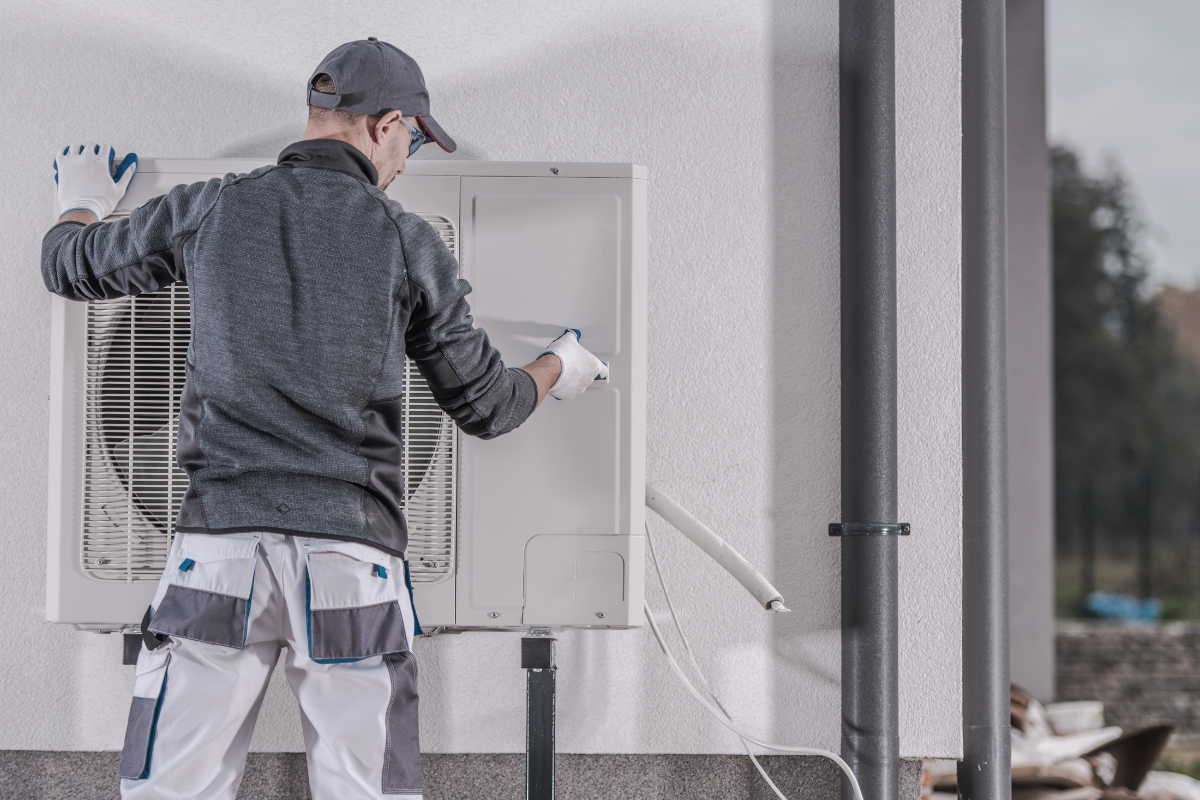
On the ground, homeowners appreciate quiet outdoor units placed away from bedrooms and neighbor windows, snow stands that keep coils clear, and clean line sets tucked into channels that match exterior trim. These details read as care. They also reduce service calls, which means cleaner maintenance logs to hand a buyer.
Ductless mini splits and the resale puzzle
Ductless units do well in additions, sunrooms, and homes where running ducts would butcher old plaster. In smaller homes, a well-designed multi-zone system can replace a failing furnace, especially if cooling was on the wish list anyway. The resale key is aesthetic integration. Place heads high, choose neutral covers, and avoid spaghetti refrigeration lines on exterior walls. I have watched buyers admire the comfort of a loft cooled by a quiet wall head while barely noticing the unit. I have also watched them balk at a living room festooned with exposed linesets. Same technology, different installation choices, different resale impact.
Timelines, permits, and what to do if your listing is imminent
If you plan to list within 60 to 90 days, you still have time to replace a system and document it well, but coordination matters. Lead times vary by season and region. Fall is crunch time. Spring offers more flexibility. Pull permits early. Lenders and appraisers feel better when paperwork is clean. If your contractor cannot start for weeks, a deep service with written condition notes can bridge the gap and calm buyers until installation. In more than one sale, we negotiated a credit equal to the contractor’s signed proposal and a scheduled slot, which felt concrete to the buyer and kept the deal intact.
Budget ranges and realistic returns
Costs vary widely. For ballpark planning in many U.S. markets:
- Mid-efficiency gas furnace replacement with minor duct tweaks: often 4,000 to 7,000 dollars installed. High-efficiency condensing furnace with variable-speed blower and more duct work: commonly 7,500 to 12,000 dollars. Single-zone cold-climate heat pump with simple ducted air handler: roughly 8,500 to 14,000 dollars, depending on capacity. Multi-zone ductless mini split for three to four heads: 10,000 to 18,000 dollars. High-end, fully ducted variable-capacity heat pump with zoning and advanced filtration: 15,000 to 25,000 dollars.
Rebates and tax credits can subtract 1,000 to 8,000 dollars in some cases, particularly for heat pumps under federal and utility programs. Savvy buyers know these incentives exist, but they value walking into a finished system more than pursuing paperwork later. From a resale perspective, think of return as partial cash recouped and the rest delivered as speed and strength in negotiations. If your system is well past its expected life, the risk reduction alone can be worth the majority of the spend.
Common pitfalls that drain value instead of adding it
A heating upgrade can backfire when the visible result is noise, clutter, or unresolved cold spots. The most frequent missteps I see:
Choosing equipment before design. The sticker on a shiny variable-speed furnace does not fix a starved return or a missing supply to the far bedroom. Design first.
Skipping combustion air and venting checks. A new high-efficiency furnace vented through a too-long or poorly sloped PVC run will trip safeties and earn an inspection note.
Ignoring condensate management. A slow, flat condensate line dripping into a bucket is the kind of image that makes buyers discount a home on impulse.
Leaving old controls in place. A modern two-stage or variable-capacity unit paired with a single-stage thermostat sacrifices comfort and utility savings. Buyers who notice will wonder what else was mismatched.
Letting the mechanical room look like a storage shed. Clear and clean wins. A tidy, labeled, well-lit mechanical area photographs better and reads as pride of ownership.
Documentation and storytelling for the listing
Put your heating replacement narrative where buyers will see it, not buried in fine print. In the property description, mention the system type, installation year, key performance features, and any transferrable warranties. In the feature sheet at showings, include one page with the load calculation summary and a before and after note, such as static pressure improvements or duct sealing results. Keep the tone factual, not breathless. Even a single sentence like “New 96 percent AFUE furnace with two-stage heating, sized by Manual J, installed with sealed and balanced ducts in 2024” says more than three lines of generic praise.
For heat pumps, note the cold-climate rating and the balance point temperature chosen during design. A buyer who has read about heat pumps’ winter performance will recognize you did the homework, and an inspector will have fewer questions.
Where heating fits among other pre-sale upgrades
Heating is part of a small cluster of systems buyers ask about within the first five minutes: roof age, windows, HVAC, and water heater. If your budget cannot cover all of them, prioritize anything leaking or near failure first. Next, invest where comfort and perceived quality are most obvious. In a drafty home, two thousand dollars of air sealing and attic insulation can unlock more value from a new furnace than upgrading the furnace alone. In a tight home with a tired, noisy unit, the replacement will carry more weight.
Pair the heating system with a simple, modern thermostat and fresh registers or grilles where they are dented or yellowed. Small touches cue the larger investment and keep the eye from snagging on flaws.
The bottom line from the field
If your current system is young and healthy, polish what you have and sell. If it is aging, loud, or mismatched to the home, a thoughtful heating system installation can make your property feel move-in ready, which buyers reward. Avoid overcomplication. Design before you buy, fix the air delivery as well as the heat source, and document every step. Resist the urge to chase the most expensive gear if your ducts or radiators cannot support it. Choose reliable, quiet, efficient equipment that suits your market’s fuel reality.
In dozens of sales, I have watched this approach tighten feedback from showings, soften inspection rounds, and deliver offers with fewer strings. Buyers do not gush about furnaces in their love letters to sellers. They talk about how the house felt: warm, even, quiet, and easy. A new, well-installed heating system puts that feeling on your side. And at sale time, feelings convert into numbers with surprising consistency.
Mastertech Heating & Cooling Corp
Address: 139-27 Queens Blvd, Jamaica, NY 11435
Phone: (516) 203-7489
Website: https://mastertechserviceny.com/